

*This post may contain affiliate links for which I earn commissions.*
Every new contractor hears the same advice: “Get more reviews.” Reviews matter, of course, but many trade businesses burn out trying to collect them. They ask every customer to write one, send text reminders, and hope it magically turns into steady work. More often than not, it feels awkward, forced, and a little uncomfortable.
There’s a better way. Great contractors have always grown through something far more natural than constant review requests. They build simple habits into each job that turn customers into repeat clients and referral sources without ever having to beg. These habits don’t require scripts or pressure. They’re grounded in genuine care, clean work, clear communication, and a follow-through that earns trust.
In this post, you’ll learn how to build what I call the referral flywheel. It’s a pattern of small, repeatable actions that create consistent word-of-mouth momentum. Once it spins, it keeps going with far less effort, and it becomes one of the strongest engines in any trade business.
Build Trust Before You Leave the Driveway
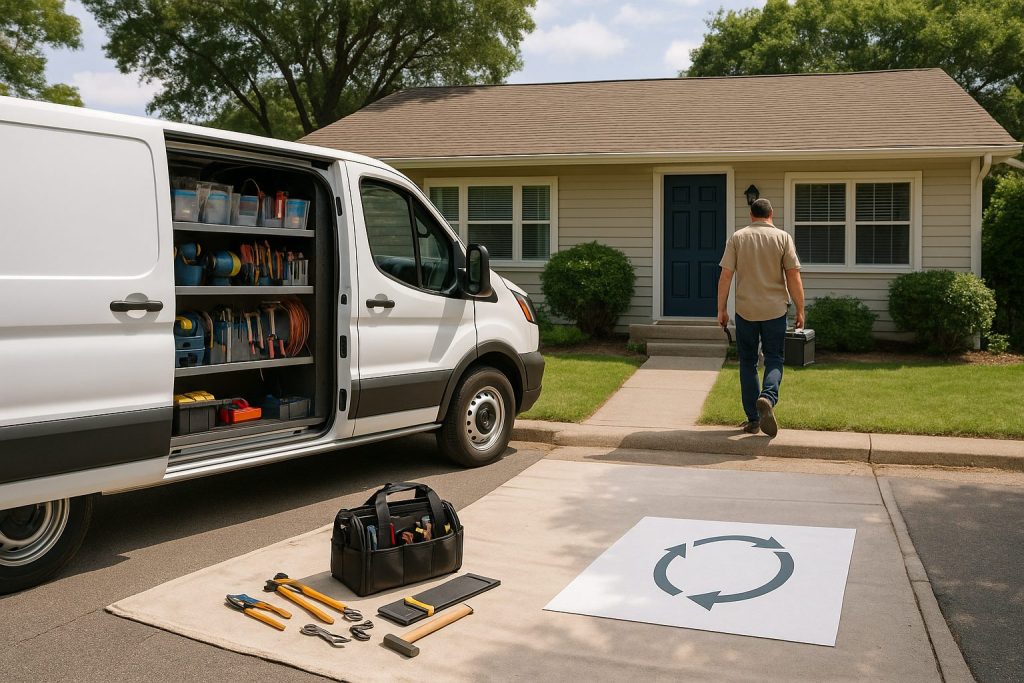
Most referral systems focus on what happens after the work is done. The truth is, the flywheel starts spinning long before that. A customer often decides whether they’ll refer you within the first 15 minutes of the job.
Here are the early signals that make the biggest difference.
- Show up on time or a few minutes early.
- Park respectfully.
- Greet the customer like a real person, not just a job on the schedule.
- Explain what you’ll be doing in simple, clear terms.
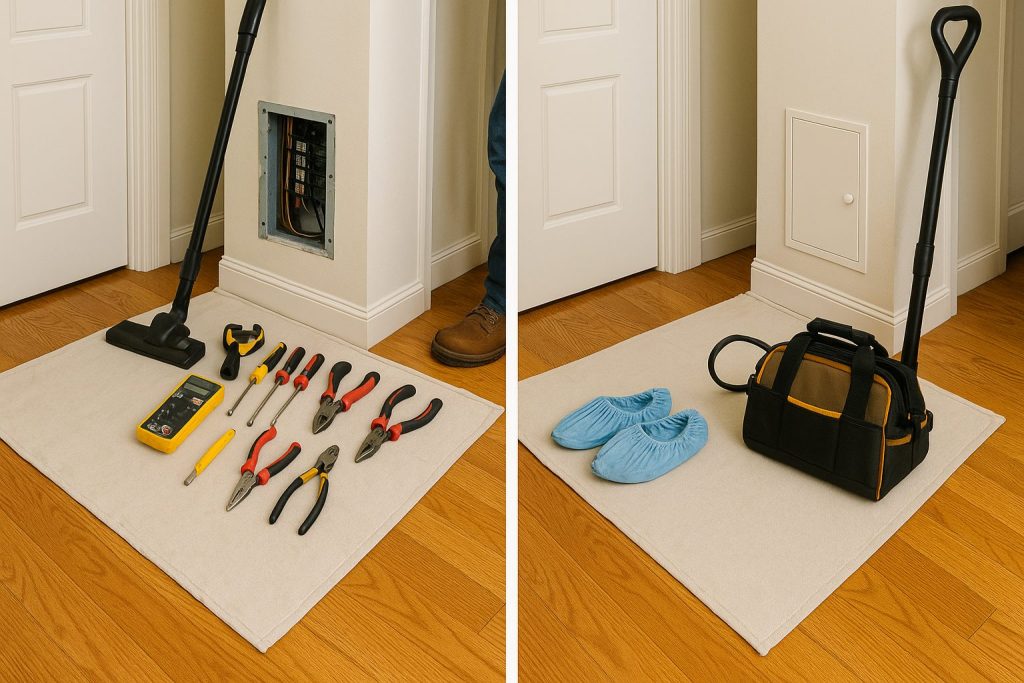
- Protect their home: drop cloths, shoe covers, clean tools, tidy staging.
Customers remember how it felt to have you in their home or building, even more than the technical work you did. When they feel respected and informed, they already trust you before the tools come out of the van.
A small example is walking a homeowner through the job plan before starting. It can be as simple as, “Here’s what I’m going to do first, here’s the part that may get a little noisy, and here’s roughly how long each step takes.” That 30 seconds of clarity calms nerves, builds confidence, and sets you apart from the contractor who just disappears into a crawlspace.
Quiet Follow-Through Beats Loud Marketing
Many contractors work hard during the job but stop short of the step that truly earns referrals: closing the loop.
Customers love it when things feel complete. They want reassurance that everything was done the right way and that you stand behind your work. When you build follow-through into your process, referrals happen naturally because customers feel taken care of from start to finish.
Here are a few habits that customers notice:
- Cleaning up better than you found the space.
- Explaining what you fixed and why it matters.
- Showing them the finished work, even if it’s in a panel, attic, or crawlspace.
- Answering the “What should I watch for?” question before they have to ask.
- Leaving one simple resource behind, such as a maintenance tip sheet or your business card.
A plumber who wipes down a vanity and shows the homeowner where the shutoff valve is will get more future calls than someone who just says, “All set” and heads for the truck. Quiet professionalism builds trust in a way no advertisement ever could.
Make Staying in Touch Feel Natural, Not Pushy
The referral flywheel works because the customer remembers you long after the job is done. That doesn’t require monthly newsletters or constant marketing. A few thoughtful touchpoints each year go a long way.
Here are examples that feel genuine:
- A quick “Just checking in, everything running well?” text or email 30 days after a job.
- A seasonal reminder, like a note about changing HVAC filters or preparing outdoor hose bibs for winter.
- A helpful tip sheet you use across your business, such as a “What to Check Before Calling” guide.
These aren’t sales messages. They are service touches. They position you as someone who cares about their home or building, not just their invoice.
This also keeps your name top of mind. When someone in their circle says, “Do you know a good electrician?” your number is already in their phone, and their experience with you is still fresh.
If you want to streamline these touchpoints, simple tools like job management apps or CRM systems can automate reminders without losing your personal tone. You can load in a few standard messages you genuinely believe in and send them manually or automatically. It keeps the process consistent without feeling robotic.

Make It Easy for Customers to Refer You
People are far more likely to refer you if they feel confident that making the introduction won’t create stress for the person they’re recommending. Your job is to make the referral feel low risk and easy.
Here are simple ways to do that:
- Keep your business card clean, professional, and easy to read.
- Include your service area clearly so customers know who you serve.
- Let customers know the best way for new clients to reach you, whether it’s text, phone, or a request form.
- Update your voicemail so it sounds calm, organized, and ready to help.
You can also create a simple phrase customers naturally use when recommending you. Something like, “He’s clear, he’s trustworthy, and he explains everything before he starts.” If you consistently deliver that experience, customers repeat it because it captures what makes you dependable.
A small detail that helps is ending a job with, “If you ever have friends or family who need a hand, feel free to give them my number. I’ll take good care of them.” It’s not begging. It’s reassuring them that you’ll treat their people as well as you treated them. That matters more than any review request.

The Referral Flywheel in Action: A Simple Framework
You don’t need complicated systems or scripts to build steady referral momentum. You need a repeatable process you can follow on every job, whether residential HVAC, commercial electrical, or light plumbing repairs.
Here is a checklist you can apply immediately:
Before the Job
During the Job
After the Job
Follow-Up
These actions help customers trust you, remember you, and recommend you confidently. When you repeat this process over months and years, you build a flywheel that gathers speed. Each new customer becomes another spoke in the wheel, and word-of-mouth becomes one of your strongest growth tools.
Conclusion
Referral-heavy businesses don’t get that way because they twist customers’ arms for reviews. They build habits that make customers feel respected, informed, and supported from the first handshake to the final follow-up. When you operate with clarity, integrity, and care, you naturally become the contractor people talk about when someone asks, “Know anyone good?”
These small actions can turn one customer into three, then nine, then more. They take consistency, but not pressure. Start with one or two habits in your next job, and let your flywheel begin to turn.
If you want more ideas on getting steady work, check out my guide on choosing the right jobs for your trade business.