
*This post may contain affiliate links for which I earn commissions.*
One of the biggest questions new contractors ask is, “What tools do I really need to start my electrical, plumbing, or HVAC business?” It seems simple at first, but the moment someone starts pricing gear, the doubts creep in. The shelves look endless, the brands all promise amazing results, and it’s easy to feel like success depends on filling a truck with everything at once.
Many contractors overspend in their first year. It usually comes from a good place. They want to do the job right and look professional. The problem is that buying tools too early or buying the wrong ones can drain cash before the business ever gets off the ground. Those early dollars matter. They need to support the work that actually brings in revenue.
This post walks through how to think about tools when you’re building a trade business from scratch. You’ll learn what deserves your money now, what can wait, and which mindset keeps you from wasting time and cash. By the end, you’ll have a clearer view of what belongs in your starter kit and what belongs on your long-term list.
Start With the Tools That Generate Income
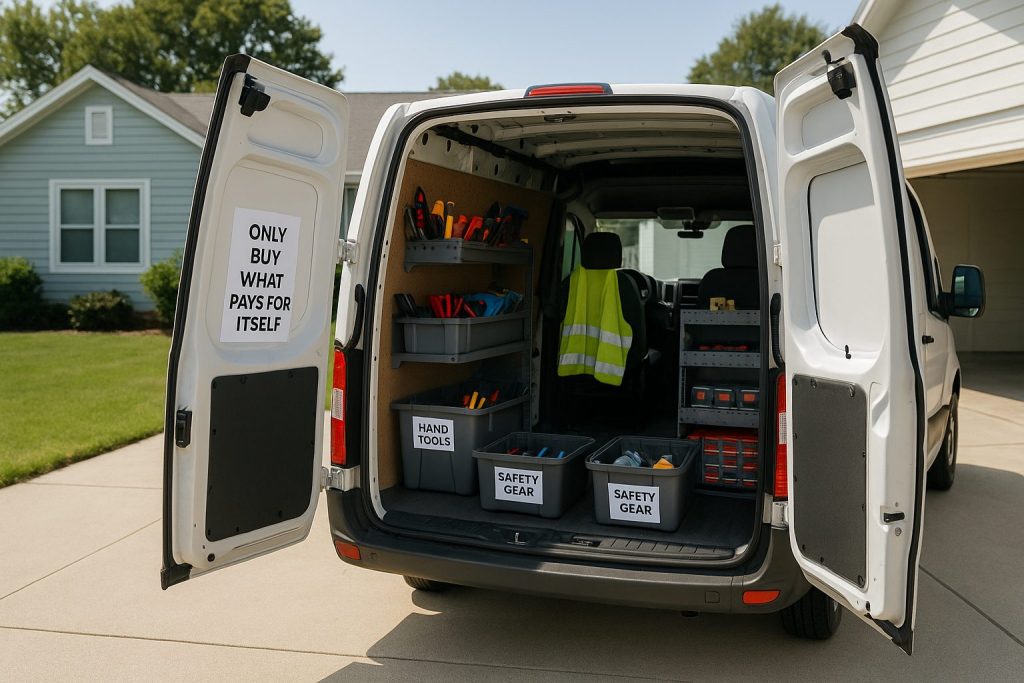
Every trade business is built on the ability to complete paid work. That means your first priority is simple. Focus on the tools required for the specific jobs you are actually booking right now.
A common trap is buying equipment for jobs you hope to win someday. For example, a new electrical contractor may buy a high-end thermal camera even though their first six months of work revolve around basic service calls. A plumbing contractor might buy a commercial-sized drain machine even though most of their early jobs involve small residential repairs.
Early on, the smartest approach is to buy what helps you complete paying jobs safely and efficiently.
That usually means:
If a tool does not help you generate income this month, pause before buying it. When cash is tight, the best tool is the one that helps you finish the job you already have in front of you.

Build Slowly, Based on the Jobs You Take
Once your business starts moving, you’ll notice patterns. You’ll see the types of calls you get most often, the tasks that slow you down, and the gear that would make certain jobs easier or more profitable.
Instead of guessing at what you’ll need someday, let your work schedule guide your purchases. This keeps your spending tied to real revenue.
A simple example:
If you’re an HVAC contractor and you notice half your calls involve diagnosing airflow issues, that may justify adding tools like a quality manometer or inspection camera. A plumbing contractor doing a lot of leak repairs might upgrade to a better press tool once the volume makes the cost worthwhile.
Think of your tool inventory as something that grows with your customer base.
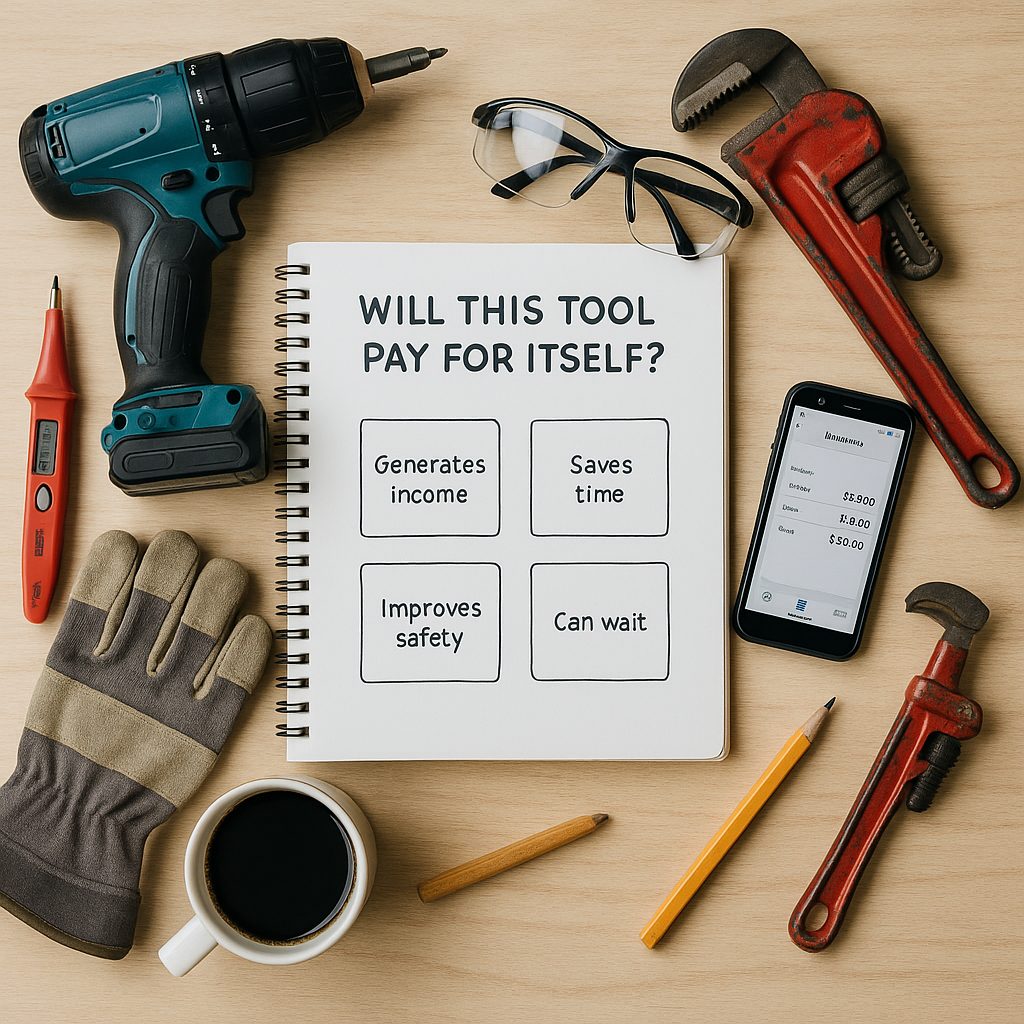
Every new purchase should pass a quick test:
When the answer is yes, it’s usually a good investment.
Know the Difference Between “Professional” and “Helpful”
Many beginners think professionalism comes from having every possible tool in the truck. In reality, professionalism comes from showing up on time, communicating well, doing clean work, and treating customers with respect.
Tools help you deliver good workmanship, but they are not what builds your reputation. Understanding this takes pressure off and helps you make smarter decisions.
You do not need the flashy tool cart or the matching cordless line right away. In the first few years, you only need:
Over time, you can build a cleaner, more standardized setup. For now, avoid letting the desire to “look professional” push you into spending that doesn’t serve your long term health as a business owner.
Invest Early in the Tools That Save Time
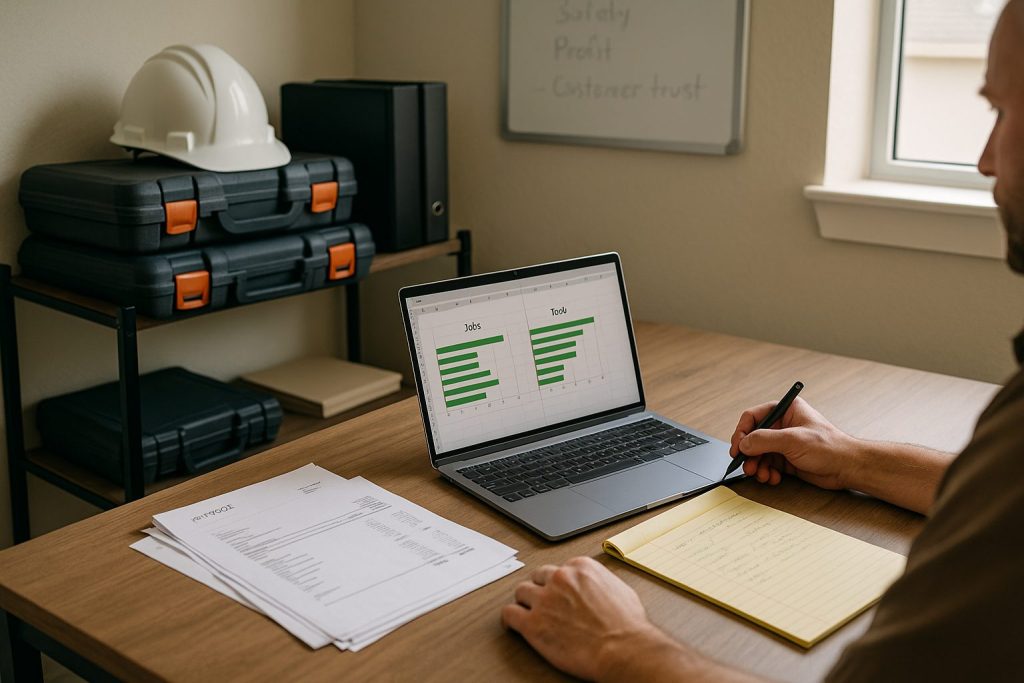
Some tools don’t directly generate revenue, but they protect something even more valuable. Your time. When you’re building a trade business, wasted hours hurt everything: cash flow, customer satisfaction, and your own stress level.
There are a few tools and systems worth considering early because they save you time on every job or project:
These rarely feel exciting, but they keep you organized. When you stay organized, you make fewer mistakes and finish jobs faster. That earns trust and repeat business and creates breathing room to grow.
If you use affiliate links, these systems can be mentioned naturally. A contractor using an estimating app, for example, might simply say that it keeps the workflow smooth and prevents forgotten line items. A labeler might keep your van tidy and help apprentices learn where things go. These are simple, honest benefits that matter in real trade life.
A Simple Framework for Tool Buying Decisions
This quick process helps you stay grounded any time you’re tempted by a new piece of equipment.
1. Start with your current workload
Make a list of the jobs you’ve booked in the past 30 days and the jobs you expect in the next 30. If the tool doesn’t serve these jobs, it probably isn’t a priority yet.
2. Estimate the return
Ask how many labor hours the tool will save, how many mistakes it will prevent, or whether it allows you to take profitable work you can actually sell.
3. Consider durability over flash
When money is tight, you’re better off with a mid-range dependable tool than something top shelf. Get the high end gear later, once the business is stronger.
4. Buy in phases
Build your setup one trade task at a time. As your services grow, your tools grow.
5. Review your purchases quarterly
Every three months, look back at what you bought. Did the tool earn its keep? If not, adjust your buying habits going forward.
This mindset keeps you practical and protects your early cash flow.
Conclusion
The right tools matter, but buying them at the right time matters even more. When you’re starting a trade business, your focus should be on completing the work in front of you, building trust with customers, and strengthening your financial foundation. Tools support that mission. They should never strain it.
If you keep your tool purchases tied to real jobs, let your workload guide your upgrades, and invest in systems that save time, you’ll grow in a steady and sustainable way. And as your business gains momentum, you’ll have the confidence and cash flow to buy the gear that truly belongs in a long term trade operation.