

*This post may contain affiliate links for which I earn commissions.*
Most new contractors think they need a dozen apps before they can run a real business. The truth is the opposite. Beginners usually drown in software long before it ever helps them. More tools do not equal more control. They often equal more confusion, higher costs, and time lost learning systems that never actually support day-to-day work.
It is easy to feel overwhelmed when you open the app store or ask around in a contractor forum. Someone swears by one platform, while the next person insists the entire business lives inside another. If you feel pulled in every direction, you are not alone. Many contractors reach a point where they worry they are “behind” if their business is not running on the latest program. I understand that pressure.
This post will help you strip everything back to a simple, dependable tech stack. One that supports the real needs of an electrical, plumbing, or HVAC business: scheduling, estimating, invoicing, and tracking jobs without overkill. When you finish reading, you will know exactly what pieces you need, what you do not, and how to build a clean setup you can grow with.
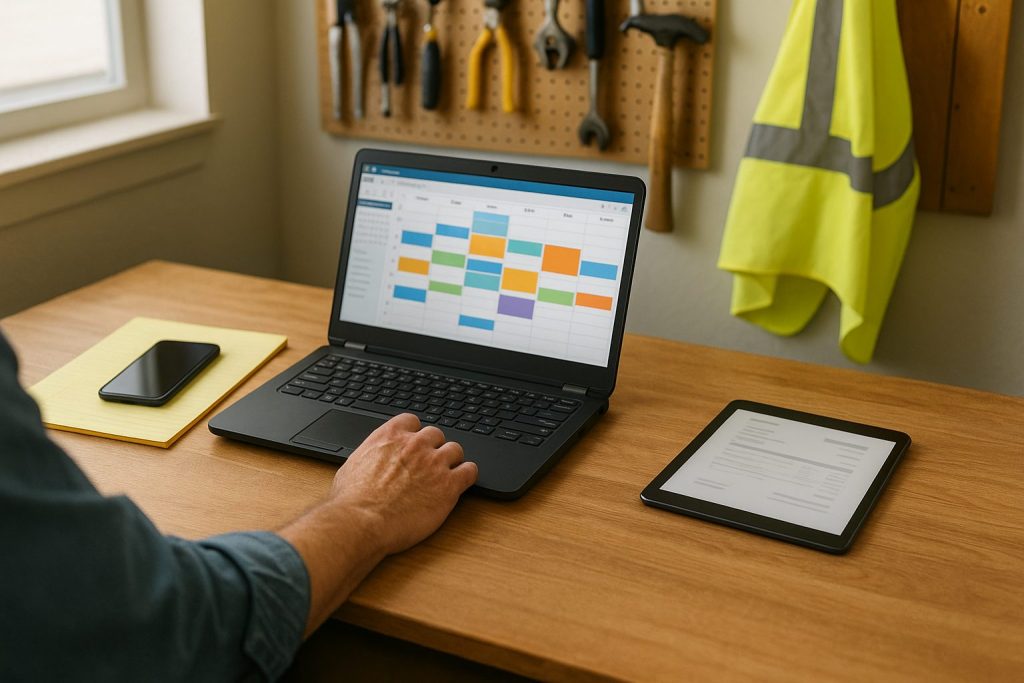
A Lean Tech Stack Starts With Three Core Tools
Most new contractors only need three categories of software to run a solid trade business: a scheduling tool, an estimating and invoicing tool, and a job tracking tool. When you keep it this simple, everything becomes easier to manage.
A lean setup protects you from:
- Expensive subscriptions you never use
- Hours lost learning overly complex systems
- Software that promises the world but doesn’t improve the workday
- Data scattered across too many platforms
Think of these core tools as the digital version of the basics you keep in your truck. Just like you would not overload your toolbag with gear you never touch, you want your tech stack to stay light and purposeful.
Example from the field: A small electrical shop with two vans often runs smoother on a simple scheduling app and a reliable invoicing tool than on a full enterprise platform. Growth starts with clarity, not complexity.

Simple Scheduling Tools That Keep Jobs Moving
Scheduling is where chaos begins for many early-stage contractors. Miss a call, double-book a day, or forget a follow-up, and the whole week shifts. A good scheduling tool keeps you on track without requiring a degree to operate it.
Look for tools that allow:
- Drag and drop scheduling
- Calendar sync across devices
- Automated reminders for clients
- Simple team visibility if you have a helper or crew
Even basic tools like Google Calendar paired with a shared team calendar can work surprisingly well for a small electrical or HVAC business. If you need something more trade-focused, many lightweight apps offer scheduling without clutter.
What matters most is that your scheduling tool is quick to update, easy to check on the go, and clear enough that you never wonder where you’re supposed to be next.
Example: A plumber books a water heater replacement for Friday. With automated reminders, the client receives a confirmation without the plumber making a second call. That small bit of automation prevents no-shows and saves time.
Estimating and Invoicing: Keep It Clean, Clear, and Professional
Clients judge your professionalism long before you ever lift a tool. Your estimate or invoice is often the first place they make that judgment. You want something clean, legible, and easy for them to approve or pay.
A good estimating and invoicing tool should offer:
- Clear templates for estimates and invoices
- Ability to send documents by email or text
- Digital signatures
- Online payment options
- Simple tracking of paid and unpaid jobs
There are many contractor-friendly tools that do this well without forcing you into giant systems. Some contractors prefer QuickBooks for money management. Others choose lean estimating software that integrates with their scheduling app. Both approaches can work if they keep your workflow smooth.
Example: A contractor bids a small panel upgrade. The estimate gets sent in minutes, the customer signs digitally, and the job moves straight onto the calendar. No paperwork on the dashboard, no lost quotes, and no confusion later.

Job Tracking Made Simple
Job tracking does not need to be a giant project management board with colored tags and nested folders. For most contractors, the goal is far simpler: keep tabs on what is scheduled, what is waiting for parts, what needs follow-up, and what is complete.
Your job tracking tool can be:
- A simple board with “Scheduled,” “In Progress,” and “Completed” columns
- A lightweight project app
- A features page inside your estimating or invoicing software
The key is that it must take seconds to update. If it takes more time than writing a quick note on a job folder, it is too complex for what you need right now.
Example: An HVAC contractor installs a heat pump but needs to return next week for the final testing. A quick note inside the tracking tool ensures the job is never forgotten, and the follow-up gets booked on time.

A Practical, No-Fluff Tech Setup You Can Start Using Now
Here is a simple starter framework many new contractors find helpful. It lets you stay organized without drowning in apps or subscriptions.
Your Lean Tech Stack Checklist:
- One scheduling calendar you check every morning
- One estimating and invoicing tool that sends clean documents
- One simple place to track job progress
- One cloud storage folder for photos, permits, and job files
- One communication channel clients can rely on, such as email or text
- Optional: A basic AI tool for writing simple emails, job descriptions, or client updates
Notice what is not on that list: complex CRMs, full-scale management suites, or twenty different apps that never work together. You do not need them to run a strong trade business. You only need tools that help you execute the work with consistency.
If you want optional add-ons as you grow, you can introduce them later. For example, some contractors add:
- Inventory tracking
- Bookkeeping software
- Time tracking for employees
- A call-answering service
- A website form that feeds into their calendar
These additions make sense once your job volume expands, but they are not necessary in the early stage.
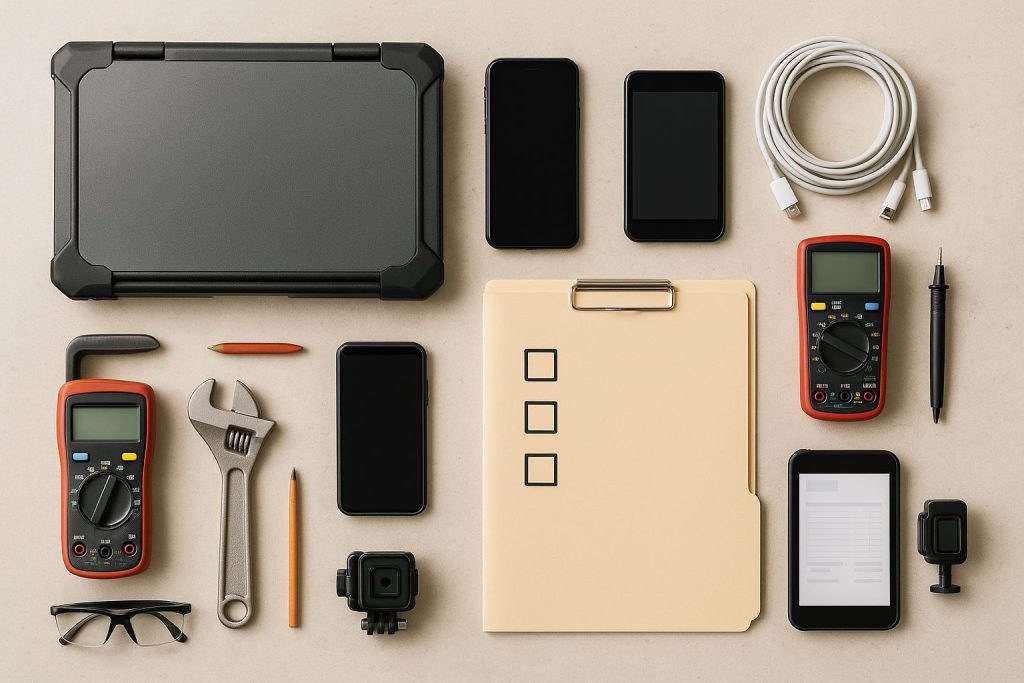
Helpful Tools Worth Testing
Here are a few categories of tools that many contractors rely on. Use this list as a starting point, not a requirement.
Scheduling and Dispatch Options:
Tools that sync across devices, make it easy to drag and drop appointments, and offer reminders.
Estimating and Invoicing Software:
Apps that let you build clean quotes, collect payments, and keep finances organized.
Lightweight Job Tracking Tools:
Simple boards or checklists that help you see everything at a glance.
AI Helpers:
AI can draft simple emails, help format job instructions, and clean up client communication, so you save time.
There is no single perfect setup for every contractor. The goal is not perfection. It is clarity, consistency, and ease of use.
Conclusion
You do not need a giant software stack to run a dependable trade business. You need a simple setup that helps you schedule jobs, send clean estimates, collect payment, and track the work from start to finish. When your tools stay lean, your mind stays clear. You can focus on doing quality work and serving customers well.
As your electrical, plumbing, or HVAC business grows, you will naturally add more systems. Until then, start with the basics. Build habits around them. Improve them slowly. Every strong business begins with a simple, reliable foundation.